Jun 15, 2026
Google Maps SEO: The Real Reason Your Competitors Are Showing Up and You're Not
Keep getting outranked on Google Maps? Your google maps seo needs attention — here's exactly what your competitors are doing that you're not.
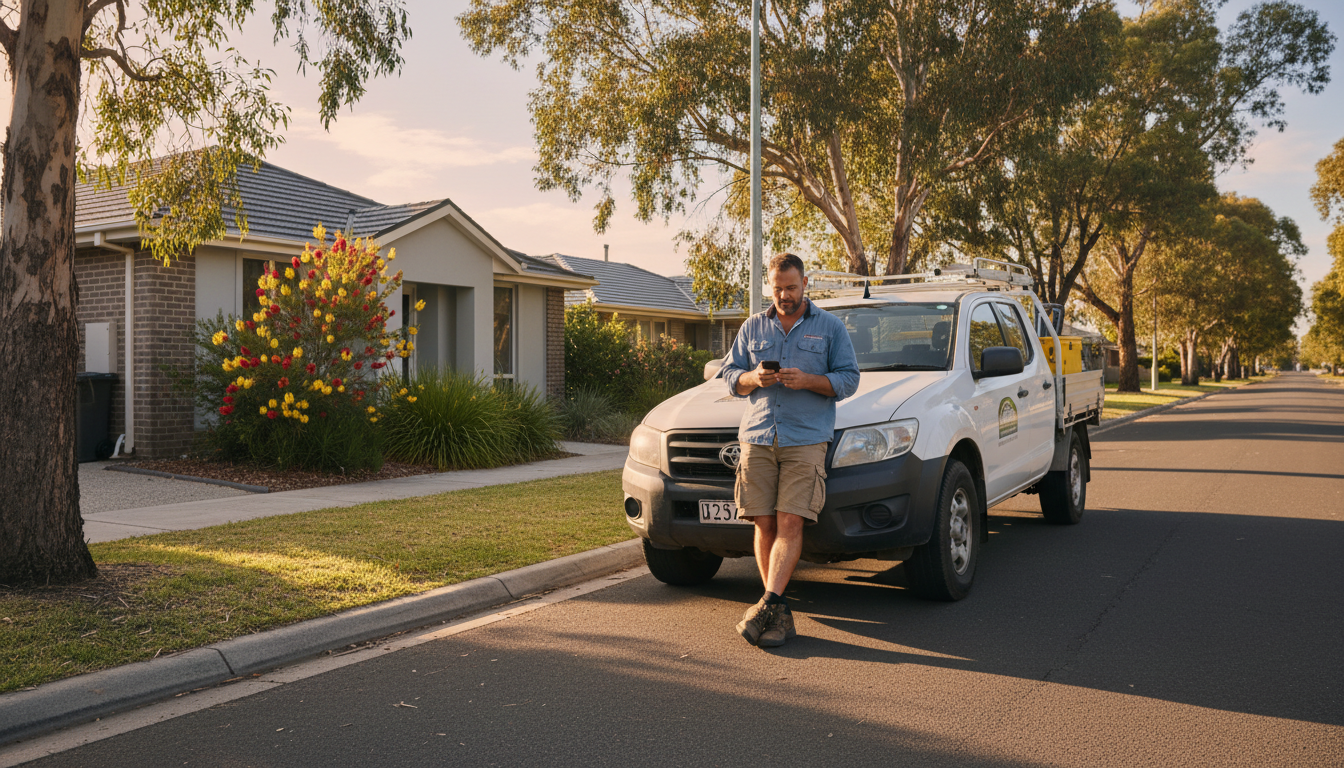
You're a good plumber. You're flat out with jobs, you do solid work, and your customers are happy. But when someone nearby searches for a plumber on Google, another business keeps coming up first — and they're getting the call. If you've noticed this, the answer almost always comes down to google maps seo.
The businesses outranking you aren't necessarily better at plumbing. They've done a few specific things that make Google trust them more — and those things are learnable. Here's what's actually going on.
What the Google Map Pack Actually Is (And Why It Matters)
When someone in your area types "plumber near me" or "emergency plumber [suburb]" into Google, the first thing they see isn't a list of websites. It's a map with three business listings pinned to it. That's the google map pack — also called the local pack — and it sits right at the top of the page, above every other result.
Those three spots get the overwhelming majority of clicks from people who are ready to book right now. If you're not in the local pack, you're effectively invisible to that audience. The encouraging part? The businesses sitting in those spots aren't there by luck. They got there by doing specific things well, and you can do those same things.
How Google Maps SEO Actually Works
Google doesn't rank local businesses at random. For local pack seo, it looks at three core signals:
- Relevance — does your business match what the person searched for?
- Distance — how physically close are you to the person searching?
- Prominence — how well-known and trusted does Google consider your business to be?
Distance is largely outside your control. But relevance and prominence? That's where most tradies are falling short — and where focused effort on your google maps seo makes a genuine difference.
Your Google Business Profile: The Bit Most Tradies Get Wrong
Your Google Business Profile is what powers your map listing. If it's incomplete, outdated, or hasn't been touched since you first set it up years ago, Google has little reason to prioritise you over a competitor who's actually put in the effort.
Here's what needs to be right:
- Name, address and phone number — must match exactly across your website, social profiles, and every directory you appear in. Any mismatch creates uncertainty for Google.
- Business category — your primary category should be "Plumber". Add relevant secondary categories like "Emergency Plumber", "Gas Plumber", or "Hot Water System Service" where they apply.
- Services list — spell out what you actually do: blocked drains, hot water systems, bathroom renovations, leak detection. The more specific you are, the better Google understands which searches to show you for.
- Photos — upload real photos of your van, your team, and finished jobs. Profiles with genuine photos consistently outperform those without.
- Opening hours — keep them accurate and update them if you offer emergency or after-hours work.
Many competitors who currently outrank you have simply done this groundwork. It's not technical or complicated — it just takes a few hours to get right, and most tradies haven't bothered.
Reviews: The Ranking Signal You're Probably Underestimating
If you want to know how to rank higher on google maps, reviews are one of the most direct levers you have. Google treats them as a measure of real-world trust and prominence — and a business with a steady stream of genuine, recent reviews will almost always appear above one with fewer or older ones.
A competitor with 80 reviews and a 4.6-star rating will typically outrank a business with 10 reviews and a perfect 5.0. Volume and recency both count. That's not a quirk — it's Google trying to surface businesses that real people keep choosing.
The fix is straightforward but requires consistency: ask every satisfied customer to leave a Google review. Make it easy by texting them a direct link once the job is done. It takes seconds to set up and compounds over time. Responding to every review — good ones and the occasional grumpy one — also signals to Google and future customers that you're an active, engaged business worth recommending.
What Your Competitors Are Doing That You're Probably Not (Yet)
Beyond the basics, businesses that consistently appear in local search results tend to apply a broader google maps marketing approach:
- Posting regularly to their Business Profile — job updates, seasonal reminders, and practical tips signal to Google that the business is active and relevant.
- Getting listed in Australian directories — HiPages, Oneflare, True Local, Yellow Pages, local council business directories. Each consistent listing reinforces your business details and builds authority.
- Having a website that lines up with their profile — a site that mentions your service area, your specific services, and your phone number tells the same story your Business Profile does. Consistency builds trust with Google.
- Responding to all reviews — even a brief, professional response to a negative review shows you're accountable. Future customers read these before they call.
None of this requires a marketing budget or technical know-how. Your competitors who are outranking you are almost certainly not using tricks — they're simply more consistent. That's a gap you can close.
Not sure where you currently sit in local search? Check where you rank right now and see exactly what you're up against.
Not sure where you stand?
See exactly where your business ranks in your suburb — free, takes 60 seconds, no email needed.
Check My Ranking ↗